
Presentations of the third AQCA Conference 2024
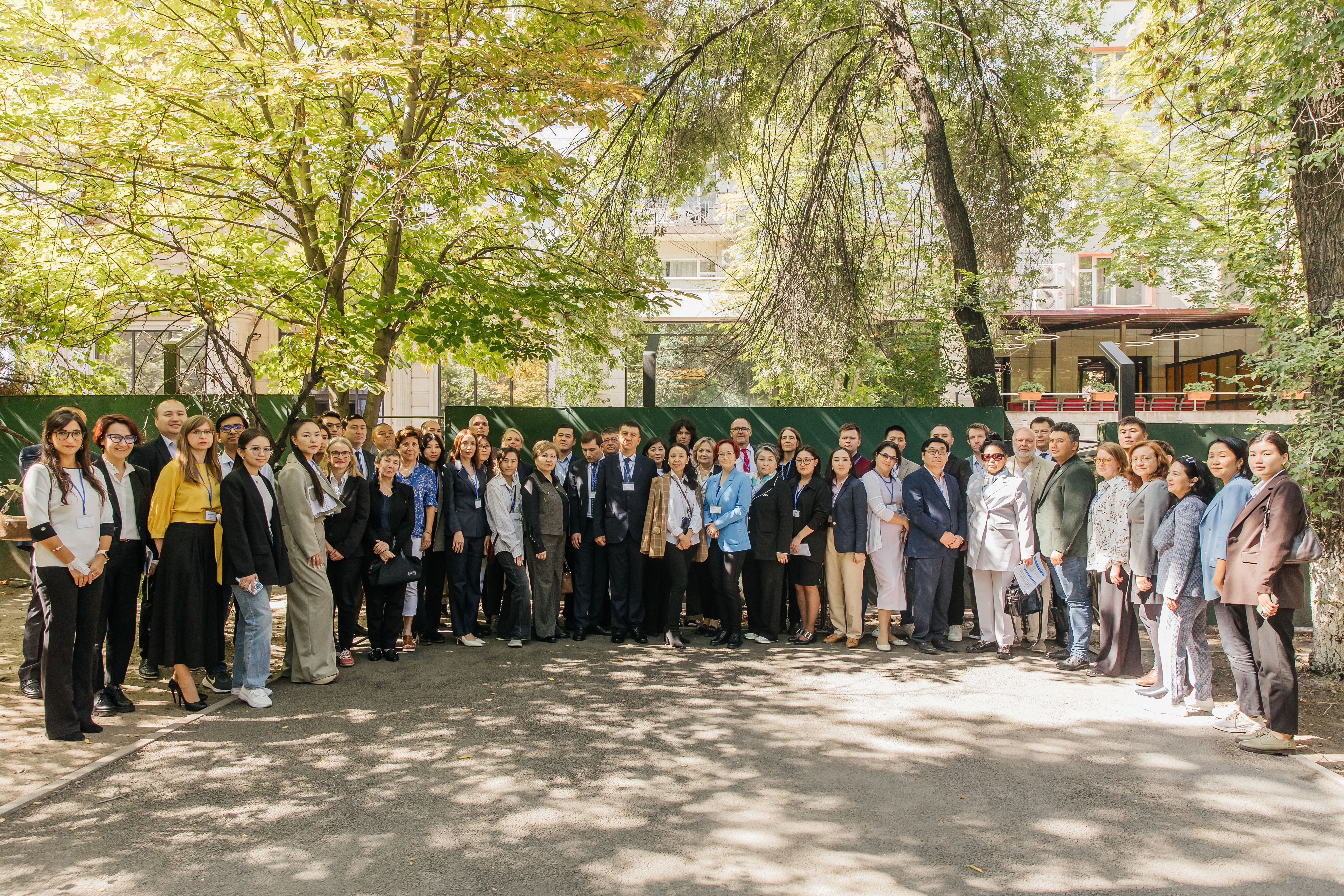
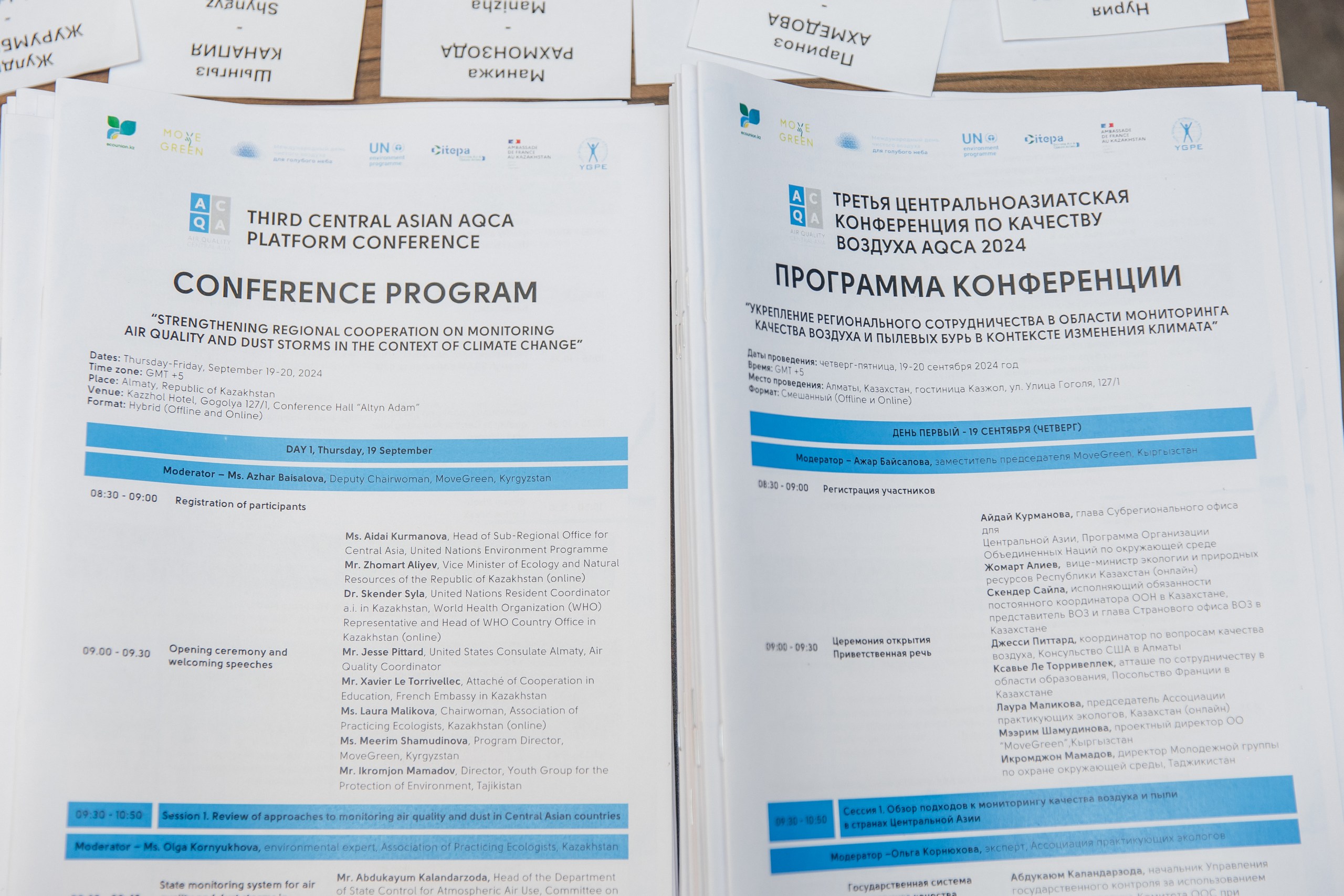
We are pleased to present the compilation of presentations from the 3rd Central Asian Conference of the AQCA Platform, held on September 19-20, 2024, in Almaty, Kazakhstan.
This conference was organized by the Association of Practicing Ecologists of Kazakhstan, MoveGreen NGO (Kyrgyzstan), and the Youth Environmental Protection Group (Tajikistan) in collaboration with the United Nations Environment Programme (UNEP), with support from Citepa and the Ministry for Europe and Foreign Affairs of France.
The conference brought together specialists, policymakers, and activists from across Central Asia, as well as international experts, to discuss critical issues of air quality monitoring and dust storm management in the context of climate change.
The discussions and presentations at this conference represent cutting-edge experiences in regional cooperation, technological innovations, and policy development in the field of air quality management. Topics ranged from modern monitoring systems to innovative strategies for public engagement.
The compilation includes presentations on the following key areas:
- State air quality monitoring systems in Central Asian countries
- Impact of air pollution on public health
- Technical solutions for reducing air pollution
- Innovative methods of air quality monitoring
- Monitoring of sand and dust storms
- Regional cooperation in air quality management
Session 1. Review of approaches to monitoring air quality and dust in Central Asian countries
State monitoring system for air quality and dust storms in Tajikistan
Mr. Abdukayum Kalandarzoda, Head of the Department of State Control for Atmospheric Air Use, Committee on Environmental Protection under the Government of the Republic of Tajikistan
State monitoring system for air quality and dust storms in Kyrgyzstan
Ms. Aigerim Zhusupova, Head of the Department of Atmospheric Pollution Monitoring, Environmental Pollution Monitoring Division, Kyrgyzhydromet
State system for monitoring air quality and dust storms in Uzbekistan
Ms.Marina Plotsen, Hydrometeorological Service Agency under the Ministry of Ecology, Environmental Protection and Climate Change of the Republic of Uzbekistan
State monitoring system for air quality and dust storms in Kazakhstan
Ms.Galiya Amirova, Department of Environmental Monitoring of the National Hydrometeorological Service Kazhydromet, Republic of Kazakhstan
Monitoring sand and dust storms through SILAM and satellite data
Ms. Katja Loven, Head of Air Quality and Energy Group, Finnish Meteorological Institute
Community monitoring of air quality in Central Asia using low-cost sensors
Ms. Inna Brusenskaya, Air quality expert, MoveGreen, Kyrgyzstan
Session 2. Human exposure and health effects of air pollution
Modern tools to estimate people health impacts of air pollution
Mr. Pierpaolo Mudu, Technical Expert, European Centre for Environment and Health, World Health Organization
Recent State of Global Air (SOGA) Report and recent global trends of health impacts of air quality
Dr. Pallavi Pant, Health Effects Institute
Impacts of air pollution on human health in Kazakhstan
Ms. Karlygash Abdizhabbarova, Public Health Officer of the Sanitary and Hygienic Monitoring Department at the Scientific and Practical Center for Sanitary and Epidemiological Expertise and Monitoring, Ministry of Health, Kazakhstan
Presentation of a report on the impact of air pollution on health of children in Kazakhstan
Ms. Anna Stativkina, Climate Change Officer, UNICEF Kazakhstan
Ms. Surenchimeg Vanchinkhuu, Health Specialist, UNICEF Kyrgyzstan
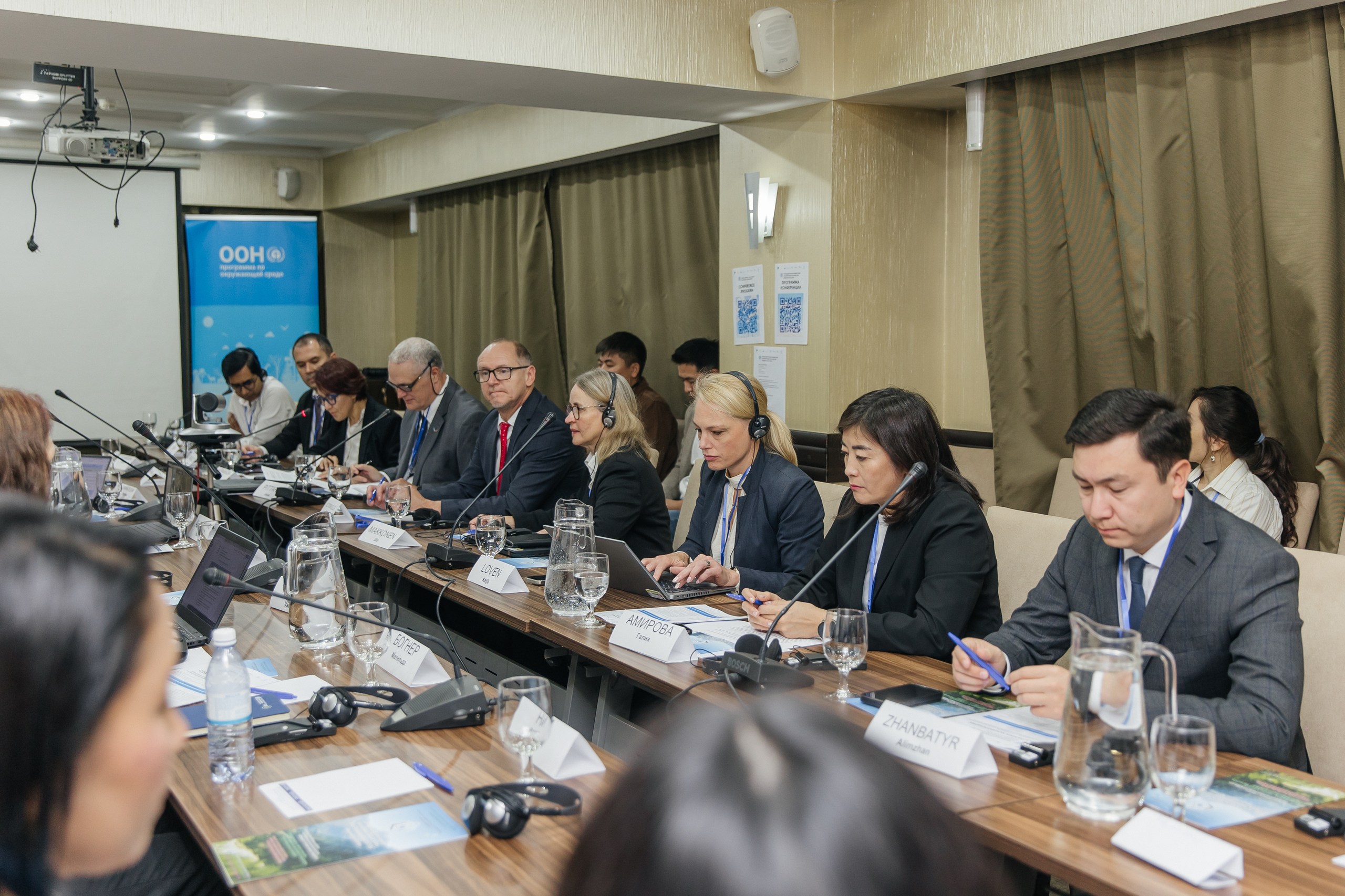
Session 3. Air quality regulation in the Central Asia region
Clean air and the human right to a healthy environment
Ms. Astrid Puentes Riaño, Special Rapporteur on the Human Right to a Healthy Environment (video presentation)
Legal frameworks as foundation for effective air quality management
Ms. Valentina Ricca, Associate Legal Officer, Law Division, United Nations Environment Programme
Ms. Carolin Sanz Noriega, Environmental Officer, United Nations Economic Commission for Europe
State regulation of air quality and monitoring systems in Central Asian countries
Ms. Laura Malikova, Chairwoman, Association of Practicing Ecologists
Joint action by the UN system and partners to combat air pollution in Bishkek (joint policy brief)
Mr. Tomas Marques, Regional Sub-Programme Coordinator, Chemicals and Pollution Action, Europe Office, United Nations Environment Programme
Ms. Natalia Sirina-Leboine, Task Force on Techno-Economic Issues under CLRTAP, Citepa, France
Session 4. Technical solutions for air pollution from anthropogenic sources
Part 1: Energy and industry
Best available techniques in industrial plants, experience in the EU
Ms. Nadine Allemand, Technical Secretariat, Task Force on Techno-Economic Issues under CLRTAP, Citepa, France
Technological pathway of Kazakhstan to ratification of the amended Gothenburg Protocol
Ms. Natalia Sirina-Leboine,Task Force on Techno-Economic Issues under CLRTAP, Citepa, France
Mr. Alisher Baimukhametov, International Green Technology Investment Center (IGTIC), Kazakhstan
Ms. Tatiana Vedeneva, President of the Center for Renewable Energy and Energy Efficiency Development (video presentation)
Reducing air quality through energy transition: experiment with heat pumps in Bishkek schools
Mr. Jules Hugot, Urban Officer, Asian Development Bank, Kyrgyzstan
Part 2: Automobiles
Mr. Sean Cooke, Sustainable Mobility Unit, Industry and Economy Division, United Nations Environment Programme
International experience on combating air pollution from cars
Mr. Jean-Marc André, Head of Transports and Mobility Department, Citepa, France
Transport policy for better urban air quality
Ms. Yelena Yerzakovich, expert on transport policy
Research: Automobiles as air pollutant emission sources and zero emission zones
Ms. Zhyldyz Saulebekova, Almaty Air Initiative, Kazakhstan
Technical solutions to reduce the emissions from automobiles
Mr. Husain Bolatbek, JSC “Institute of Fuel, Catalysis and Electrochemistry named after D.V. Sokolsky”. D.V. Sokolsky Institute of Fuel Catalysis and Electrochemistry
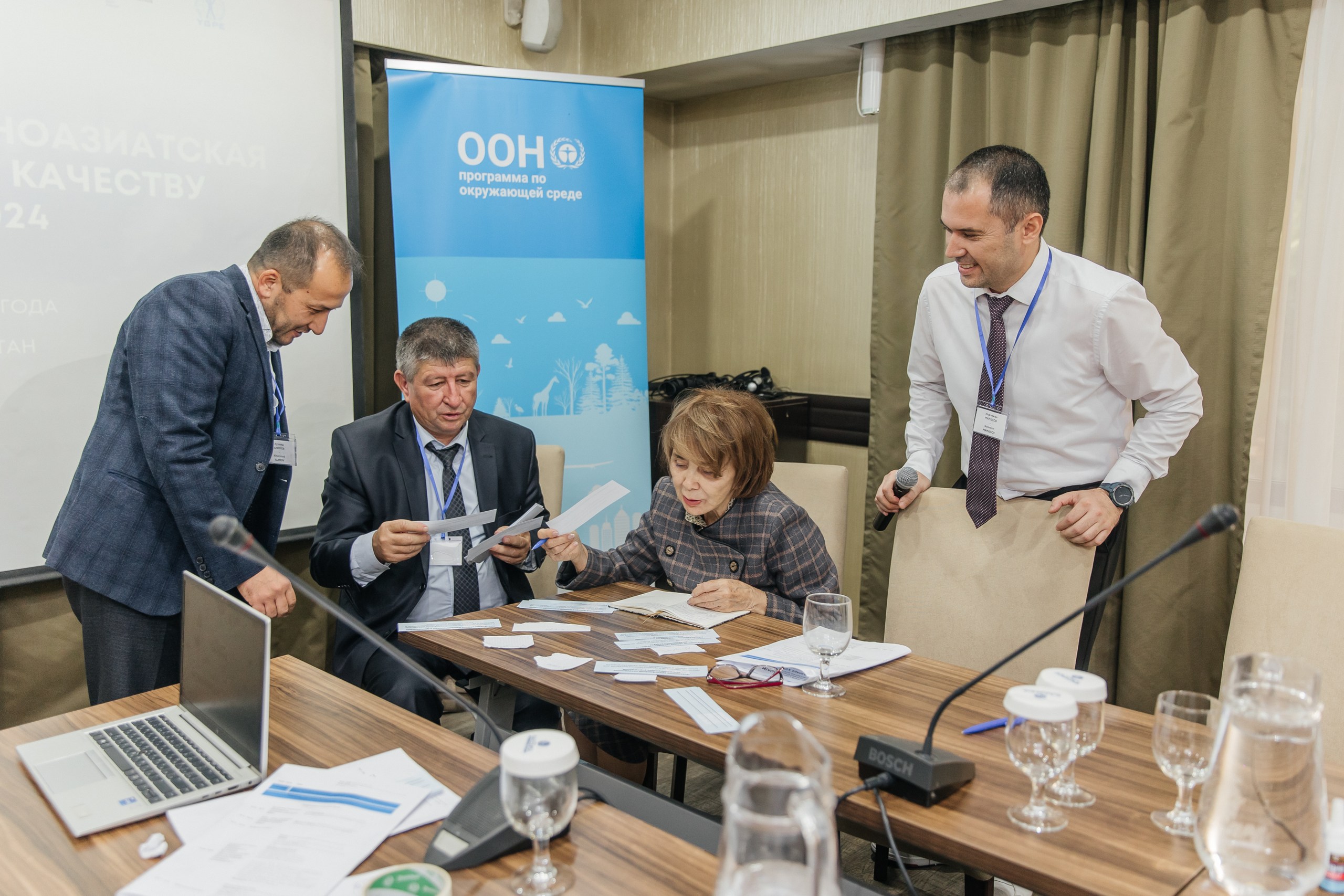
Session 5. Innovative approaches to air quality monitoring
Potential and Limitations of Low-Cost Sensors for Measuring Atmospheric Composition
Dr. Sara Basart, Scientific Officer, World Meteorological Organization (WMO)
Designing robust and high fidelity low cost sensors network across Central Asia
Dr.Dhawal Shah,Associate Professor, Department of Chemical and Materials Engineering, Nazarbayev University, Astana, Kazakhstan
Experience using mobile monitoring in Bishkek, Kyrgyzstan
Mr. Anton Fedotov, Airband Technologies
PM2.5 Sources in Kazakhstan’s Cities: Chemical Analysis and Source Identification Study”
Ms. Nassiba Baimatova, Ph.D., Associate Professor, Head of the “Ecology of Biosphere” laboratory, Al-Farabi Kazakh National University, Almaty, Kazakhstan
“OpenAQ Ambassadors” Programme
Mr. Rafkat Mukhtarov, researcher, Kazakhstan
Mobile air quality monitoring by Sparrow
Mr. Maxim Interbrick, Sparrow (video presentation)
Session 6. Dust and sandstorms and nature-based solutions
Impact of sandstorms on the economy and health of the population of Tajikistan
Ms. Muazama Burkhanova – head of “Dastgiri-Center”, independent specialist, Tajikistan
Ms. Zebuniso Muminzoda, Country Director, CAREC Tajikistan
Bioindicators of urban air quality in Bishkek
Ms. Katherine Hall, Ornithologia, Kyrgyzstan (video presentation)
Nature-based solutions for improved air quality in Belgrade, Serbia
Ms. Ana Simić, CEUS, Serbia
Session 7. Role of indicative monitoring systems for air quality and dust storms in ensuring environmental monitoring
Air Quality Index in the United States
Ms. Rachel McIntosh-Kastrinsky, United States’ Environmental Protection Agency (video presentation)
Air Quality Index in Central Asia
Ms. Laura Malikova, Chairwoman, Association of Practicing Ecologists, Kazakhstan
Session 8. Regional cooperation as a tool to reduce air pollution
Global Atmospheric Watch (GAW) Programme
Dr. Sara Basart, Scientific Officer, World Meteorological Organization
AQMx – the new global air quality knowledge management platform
Ms. Juliette Laurent, Climate and Clean Air Coalition
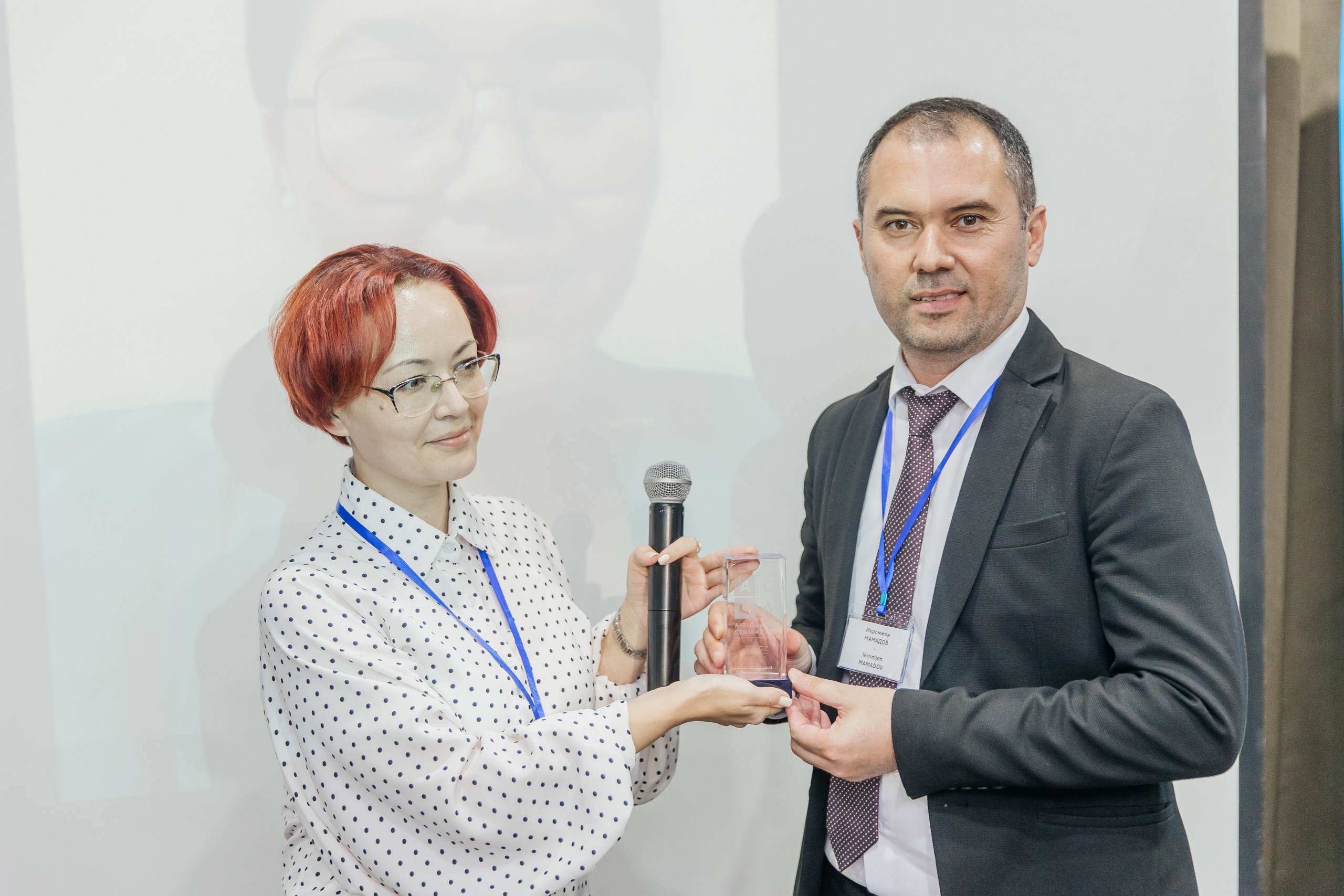
Video recordings of the AQCA 2024 conference sessions are now available on the YouTube channel of the Association of Practicing Ecologists.