
Roll the Dice for Clean Air: How a New Game Makes Environmental Learning Fun
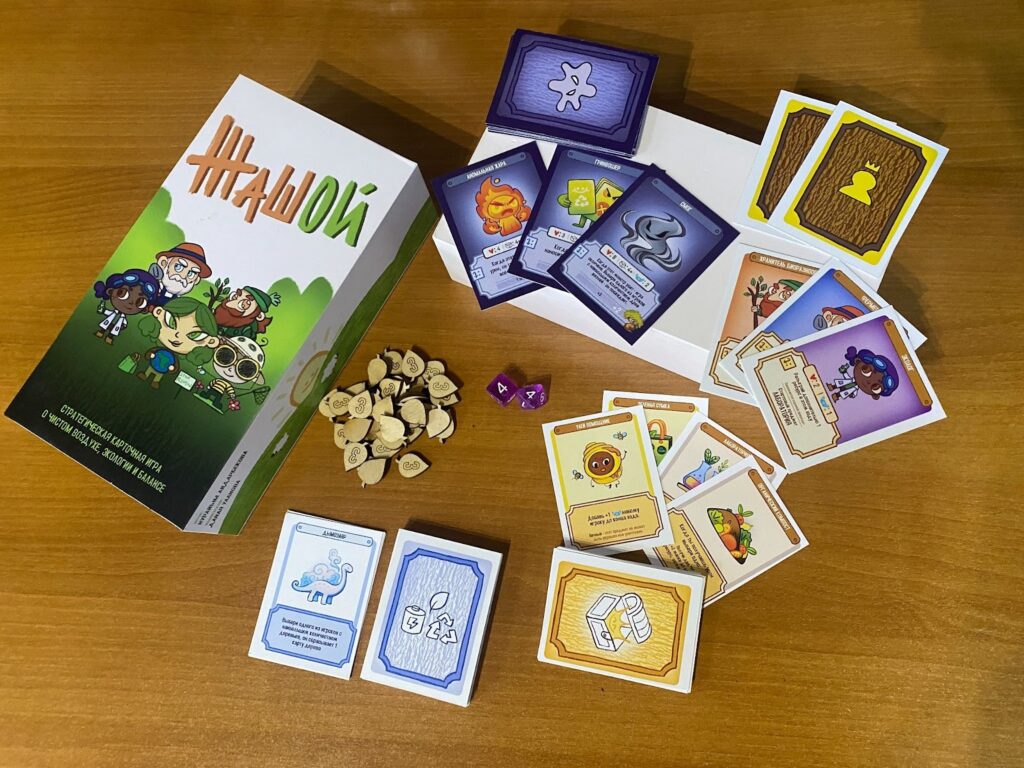
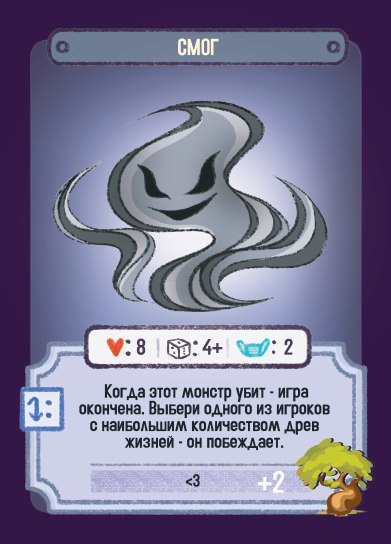
In a Bishkek classroom, a group of students laughs as they roll dice, trade “resource cards,” and strategize how to save their fictional city from a toxic smog monster. It might look like an ordinary board game night, but the players are learning about real-life issues — air pollution, climate change, and environmental responsibility.
This new tabletop strategy game, “Jashoi”, turns environmental education into an engaging and interactive experience for anyone aged 10 and above. Whether played among friends, classmates, or colleagues, the game invites participants to explore the complex web of environmental challenges and discover how cooperation and informed choices can lead to a cleaner, healthier planet.
Connecting Play and Purpose
Central Asia faces pressing environmental issues — from deteriorating air quality in cities like Bishkek, Almaty, and Tashkent to the growing impacts of climate change. Yet, for many people, these topics feel abstract or disconnected from daily life. “Jashoi” was designed to bridge that gap — to make learning about ecology not only accessible but fun.
Created by the MoveGreen team in collaboration with young board game developers passionate about ecology and environmental protection, “Jashoi” reflects a fresh approach to awareness-building. Every element — from its rules to its visuals — is crafted to inspire curiosity and reflection. The game’s beautiful illustrations are original artworks, specially created by a talented illustrator to match its theme of harmony between humans and nature.
How the Game Works
At its heart, “Jashoi” is a tabletop strategy game inspired by the idea of restoring balance between people and the planet.
The goal: collect three Trees of Life by overcoming a series of environmental crises. The first player to achieve this restores harmony in the city and wins the game.
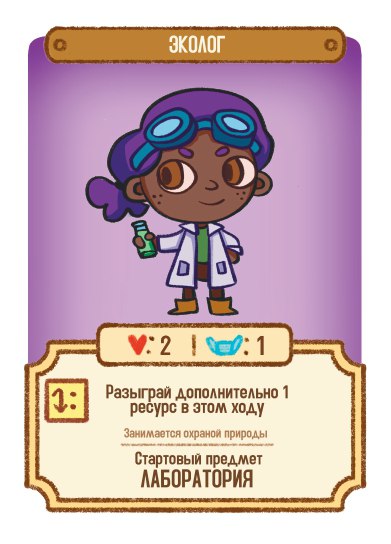
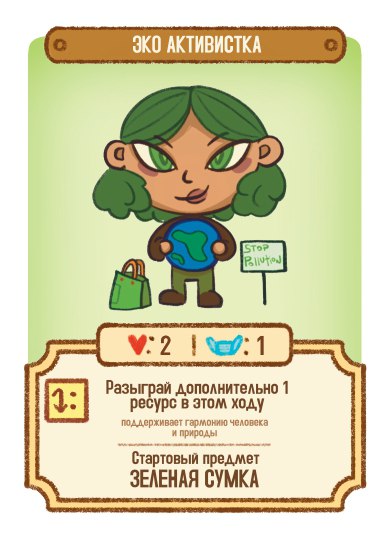
Designed for 2–10 players aged 10 and up, the game combines elements of cooperation, resource management, and friendly competition. Players take on the roles of guardians — such as scientists, engineers, or nature spirits — each with unique abilities that influence their strategy.
Throughout the game, participants use Resource, Energy, and Crisis cards to battle environmental threats, trade, and form temporary alliances. Players learn to think strategically, negotiate, and collaborate — echoing real-world lessons about environmental action and teamwork.
What “Jashoi” Teaches
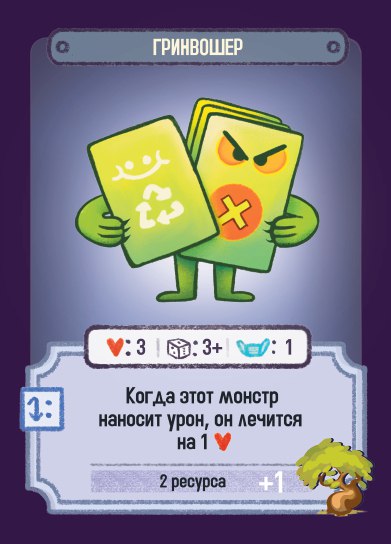
More than just a game, “Jashoi” introduces key environmental topics and vocabulary in an accessible, engaging way. It covers topics such as air pollution, land degradation, climate change, greenwashing, natural disasters caused by human activity, and many more.
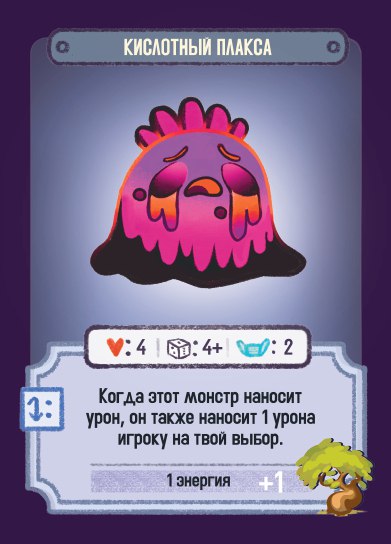
Players learn not only to recognize environmental problems but also to discover ecological solutions and understand how personal responsibility and collective action can make a difference. The cooperative mechanics of the game — building alliances to defeat ecological “monsters” — demonstrate how shared effort can solve even the most complex challenges.
Inside the Box
Each game set is designed with detail and care, using eco-friendly materials and original artwork:
- Instructions: A printed booklet explaining the setup, gameplay, and rules, with examples for easy learning.
- Glossary: A reference section defining key environmental terms for quick understanding.
- Cards:
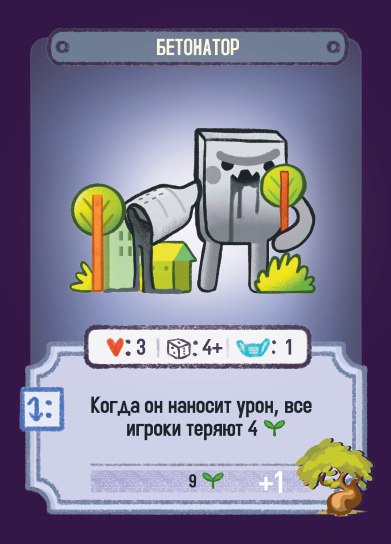
- Monster / Crisis Deck — represents environmental disasters such as smog, heatwaves, or desertification.
- Energy Deck — includes eco-related terms and concepts like Sustainable Development Goals (SDGs) and natural processes such as trade winds.
- Resource Deck — focuses on air quality and protection tools, featuring items like PM2.5, N95 masks, and more.
- Monster / Crisis Deck — represents environmental disasters such as smog, heatwaves, or desertification.
- Coins: Small, leaf-shaped wooden tokens, engraved with denominations of 1, 3, or 5l.
- Dices
This mix of creativity, sustainability, and hands-on learning makes “Jashoi” stand out from traditional awareness campaigns.bIt’s not just another educational tool — it’s a new way to experience environmental learning through play.
Testing, Feedback, and Future Plans
The game was tested in four schools across Bishkek, where it sparked great enthusiasm among students. Teachers noted how naturally players engaged in discussions about pollution and environmental protection while competing and cooperating in the game. The game was also piloted with an older audience, yielding similarly positive outcomes.
The feedback was overwhelmingly positive — participants found the game both educational and enjoyable, proving that complex environmental topics can be understood and discussed through gamified learning.
At the moment “Jashoi” is available in both Kyrgyz and Russian. Looking ahead the MoveGreen team plans to expand its reach across the region. Future plans include translations into other languages and the development of a digital version, ensuring more people can access and enjoy the experience.
Copies of “Jashoi” have already been distributed to project participants, who now use them in their schools and communities. MoveGreen invites schools, youth organizations, and families and any interested parties to bring the game into their activities as a fun and effective educational resource.
A Game with a Purpose
In a region where air pollution often dominates the headlines, “Jashoi” offers something rare — a hopeful, playful, and empowering approach to environmental awareness.
With every roll of the dice, players learn that their actions matter — in the game and in real life. By restoring balance on the board, they take the first step toward restoring balance in the world around them.
The game is developed by PA “MoveGreen” with the support of the UN Environment Programme (UNEP) within the framework of the project “Nature-based solutions for enhanced resilience to COVID-19 and urban air pollution in the Western Balkans and Central Asia”